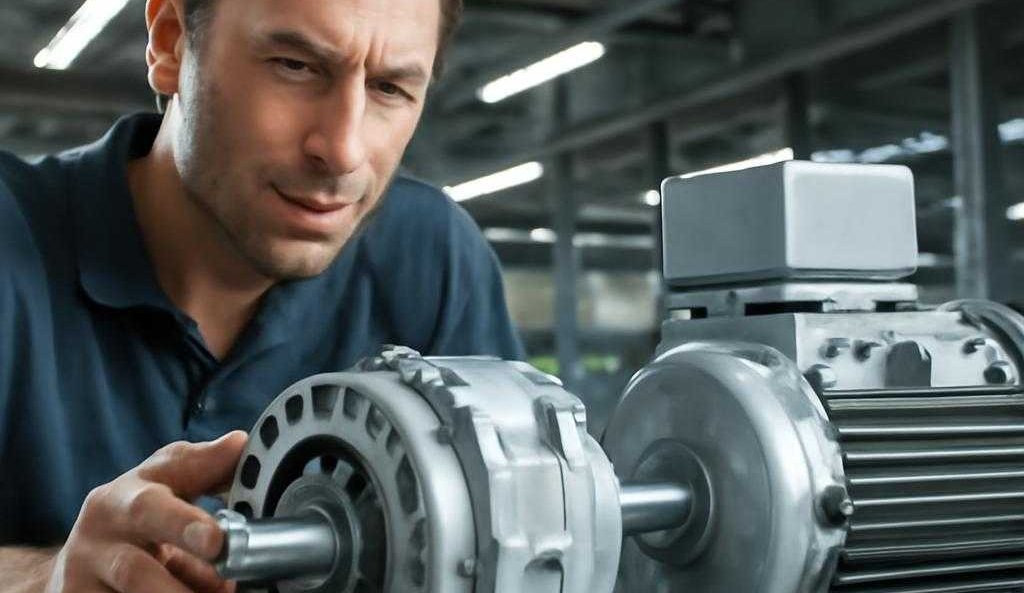
I’ve worked with a wide range of drive systems, and when I needed reliable performance I often turned to tested components like frequency converters that offer predictable control and energy savings. In my experience, choosing the right drive not only improves uptime but also reduces mechanical stress on equipment, which pays off over the long run.
Practical advice and things to check
When you plan an upgrade, make sure you evaluate the system as a whole — not just the drive itself. You should review compatibility with existing controls and verify that the supplier can support commissioning and spare parts. Here are a few quick checks I recommend:
– Confirm the motor nameplate values and expected load cycles.
– Check ambient conditions (temperature, dust, humidity) that affect enclosure and cooling requirements.
– Ask about firmware updates, communications protocols, and available training.
1. Warning: improper sizing or ignoring harmonics can shorten equipment life and cause unplanned downtime.
2. Tip: a staged rollout (pilot, monitor, scale) reduces risk and helps you tune protection parameters before full deployment.
They who manage operations usually emphasize the value of preventive maintenance and clear documentation; neutral planning and realistic expectations lead to smoother rollouts. It’s encouraging to see how modest investments in control technology often translate into measurable energy savings and fewer emergency repairs, but one must remain critical about vendor claims and insist on test data.
If you want more product details or want to initiate a discussion with a supplier, you can check additional resources or reach out directly via electric motor pages for guidance and technical sheets. For quick access to company information and contacts, visit https://vyboelectric.co.uk/.