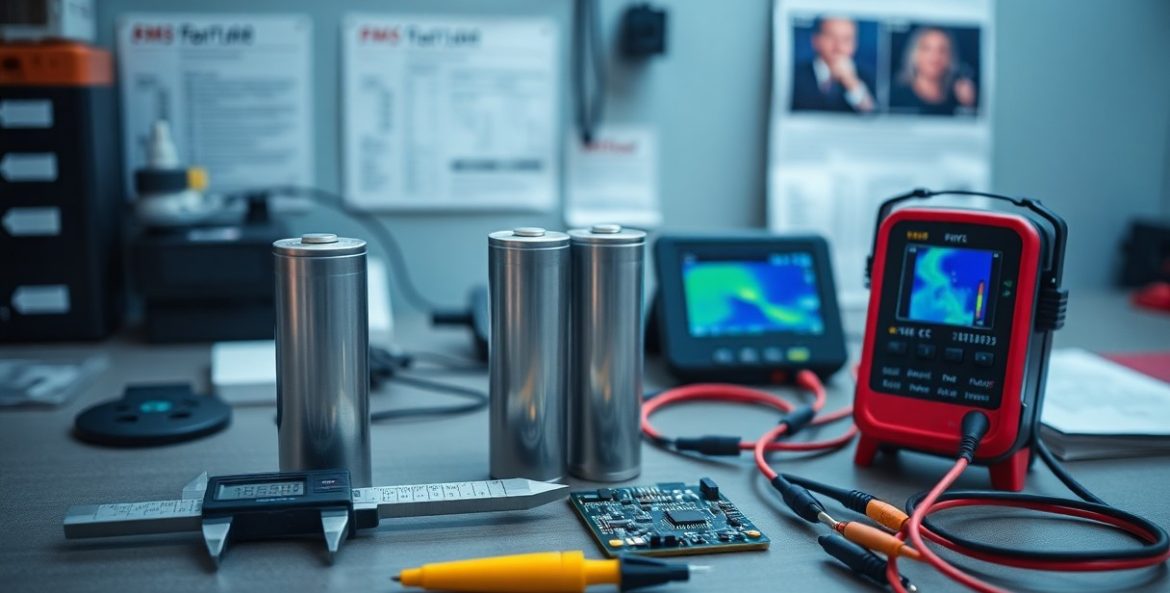
Over time, choosing the right cells defines whether your battery system delivers on expectations or creates hazards; you must weigh chemistry, form factor, and manufacturing quality to achieve consistent performance and reliability, meet application-specific power and energy needs, and avoid safety risks like thermal runaway. Proper selection also unlocks longer lifespan and higher energy density, reduces system complexity, and controls total cost of ownership
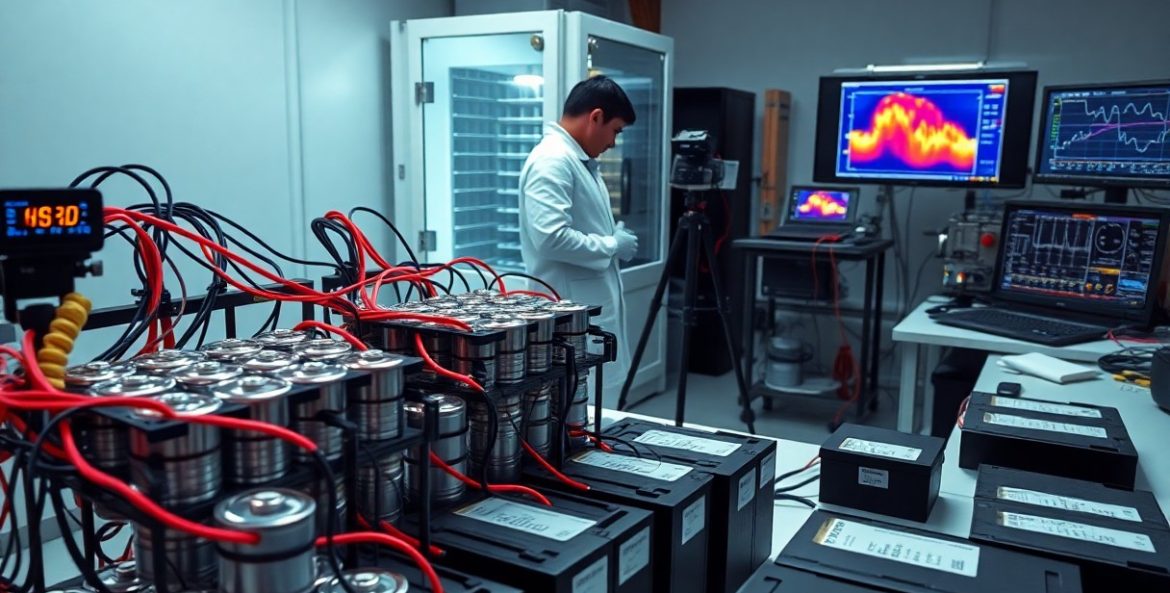
You rely on batteries every day, and rigorous testing explains how lab and field tests expose weaknesses so you avoid thermal runaway and fires, ensuring longer lifecycle and reliable performance. By simulating abuse, cycling, and aging, testing helps you detect manufacturing defects, verify safety systems, and extend warranty-backed life. This guide shows practical test types, interpretation tips, and how standards-driven validation protects your devices

Many engineers like you face the challenge of integrating battery systems into electric transportation platforms: you must balance energy density and modular design, mitigate thermal runaway and electrical hazards, and maximize range, lifetime, and reliability through disciplined system architecture, BMS strategy, mechanical packaging, and comprehensive validation testing. Types of Battery Systems System Key characteristics Lithium-ion High energy density (≈150-260 Wh/kg for NMC/NCA; LFP ≈90-160
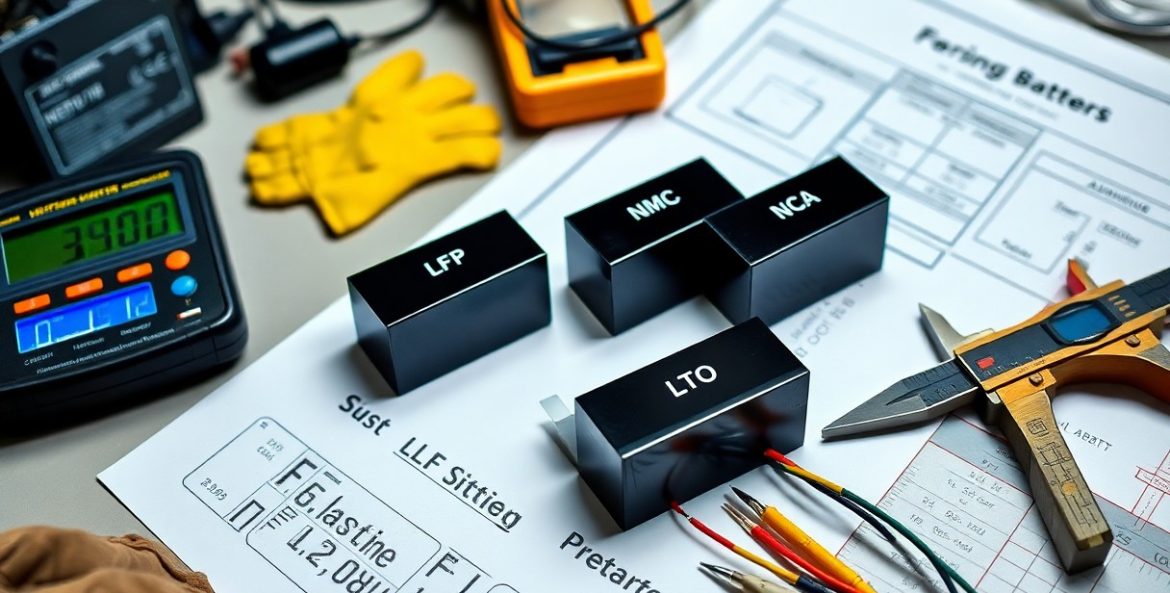
Project choices about lithium chemistry determine whether your system prioritizes high energy density, long cycle life, lower cost or reduced fire risk. You should assess capacity, discharge rates, thermal stability, and BMS requirements so your design meets application demands. Compare Li-ion, LiFePO4, NMC and LTO options, weighing performance trade-offs and thermal runaway hazards against operational benefits. Types of Lithium Chemistry Chemistry Typical traits /
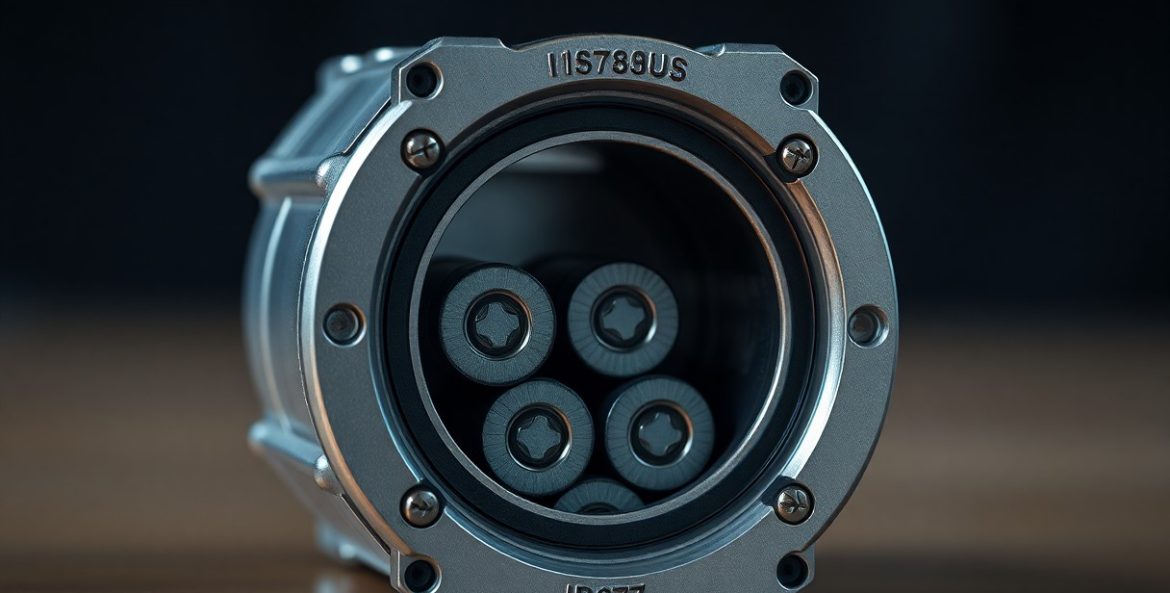
Housing protects battery cells from impacts, vibration, moisture and heat, so you must prioritize structural integrity, sealing and thermal pathways to keep your pack safe and functional. Emphasize mitigating thermal runaway and impact and moisture resistance, and incorporate robust sealing and controlled venting with accessible service points so you can balance safety, manufacturability and maintenance. Types of Battery Housing Hard Shell Rigid enclosures (aluminum,
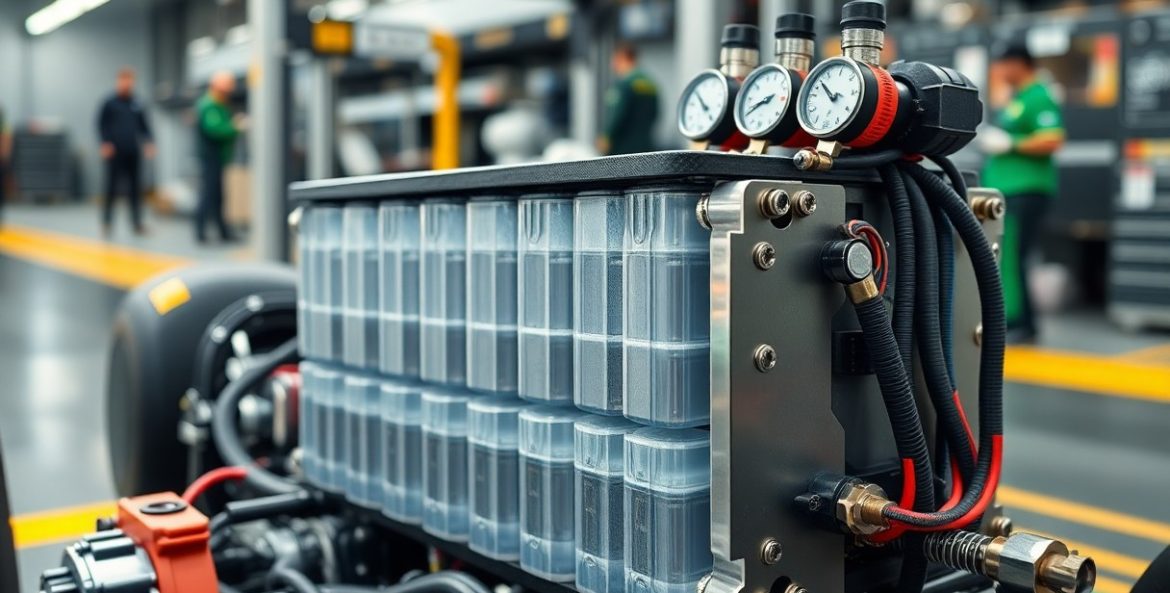
Racing demands that you select energy storage systems optimized for high discharge rates, rapid recharge and extreme durability while minimizing added weight. You must prioritize pack designs with robust cooling and a high-integrity BMS to mitigate the serious risk of thermal runaway and mechanical failure. Consider hybrid approaches-high-power lithium cells paired with ultracapacitors or solid-state options-to maximize power delivery and recover energy through regenerative
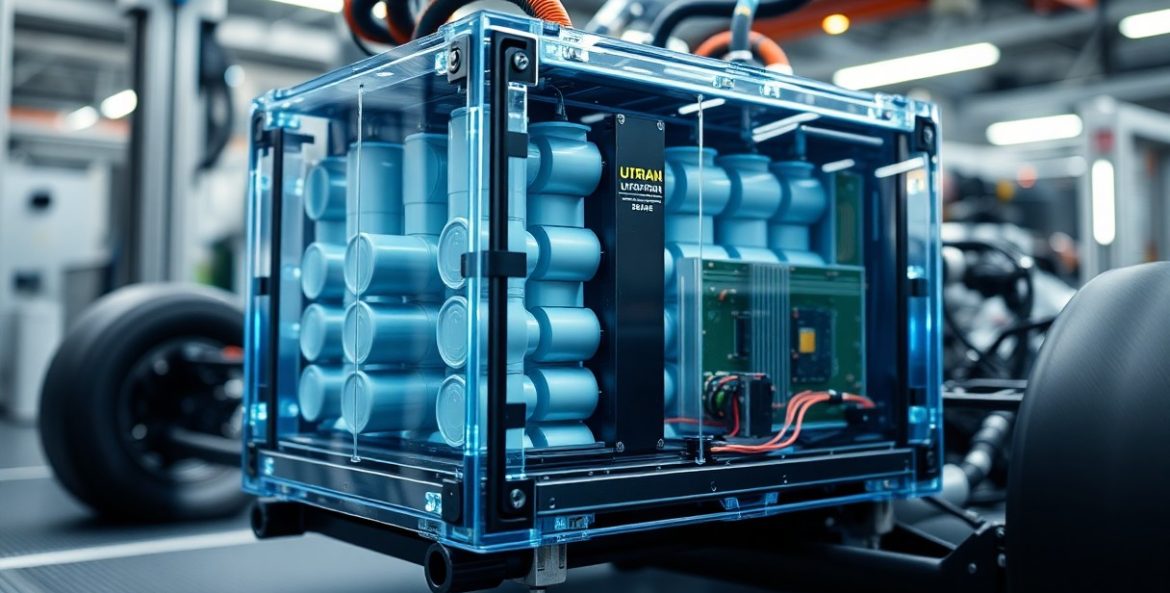
Mobility shifts depend on advances in lithium batteries; you must weigh rapidly improving energy density and lower costs against persistent thermal runaway and supply-chain hazards. As you plan for vehicles and fleets, expect longer range, faster charging, and more recyclable chemistries to reshape your options while policy and materials science determine deployment timelines. Types of Lithium Battery Technologies Among the options shaping vehicle platforms

Over time, customizing your battery system lets you align capacity, thermal management, and controls with your load profile so you cut lifecycle costs by reducing overspecification and maintenance, mitigate fire and thermal-runaway risk through tailored cell selection and cooling, and maximize uptime and efficiency with optimized BMS and warranties – giving you measurable savings across capital, operating, and replacement expenses. Types of Custom Battery
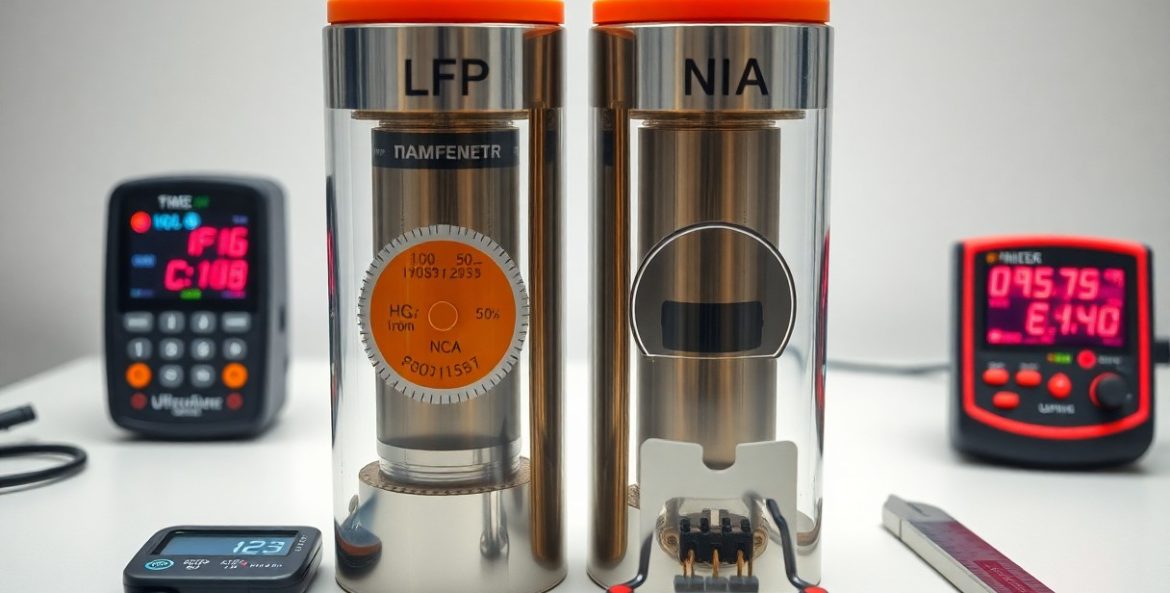
LFP cells offer safer chemistry and longer cycle life, while NCA delivers higher energy density but carries a greater thermal runaway risk-you need to weigh safety, range, cost, and longevity when choosing cells for your application. Types of Battery Cells You should be able to differentiate the two dominant families: LFP (lithium iron phosphate) and NCA (nickel cobalt aluminum). Practical metrics show LFP at

There’s a tight balance between performance, safety, and cost when you design battery modules for system growth; you must prioritize robust safety protocols, effective cell balancing, and thermal management to prevent thermal runaway, while structuring modules for scalability and maintainability so your systems expand reliably. Types of Battery Modules You will weigh trade-offs between energy density, cycle life, safety, and cost as you select