
Most high energy density batteries let you pack more power into less volume, enabling smaller system footprints and extended run time without sacrificing performance; however, the same chemistry raises thermal runaway risk, so your designs must prioritize robust battery management, cell-level safety, and cooling to balance size, weight, and reliability while meeting regulatory and lifecycle demands. Types of High Energy Density Batteries lithium-ion solid-state

There’s a growing role for NCA (nickel-cobalt-aluminum) chemistry in high-performance energy storage, and you need to understand that NCA boosts energy density and power delivery while its thermal sensitivity poses safety risks if mismanaged; this guide shows how your cell design, material selection, and battery management system balance exceptional cycle life and fast-charging potential to deliver reliable, high-power performance. Types of NCA Chemistry Subtype
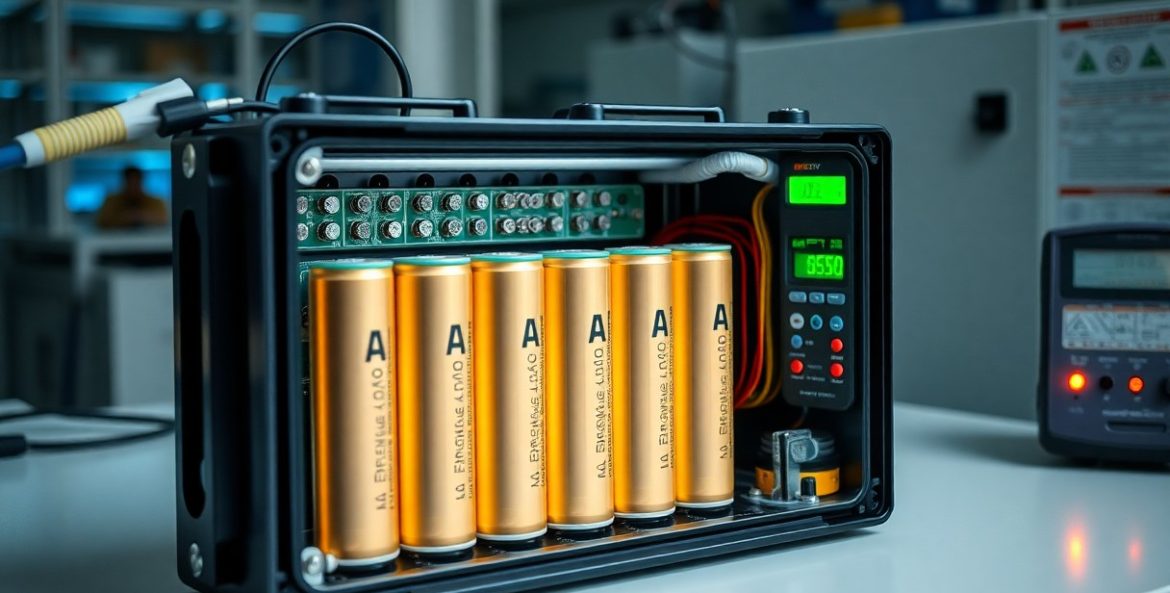
You must prioritize safety engineering in lithium battery systems because it shields you, your users, and your assets from thermal runaway, fire, and explosion, while enabling reliability, longer service life, and optimal performance. Through rigorous cell selection, robust battery management systems, mechanical protection, and standards-based testing, you mitigate failure modes, ensure regulatory compliance, and reduce operational and reputational risk. Types of Lithium Battery Systems
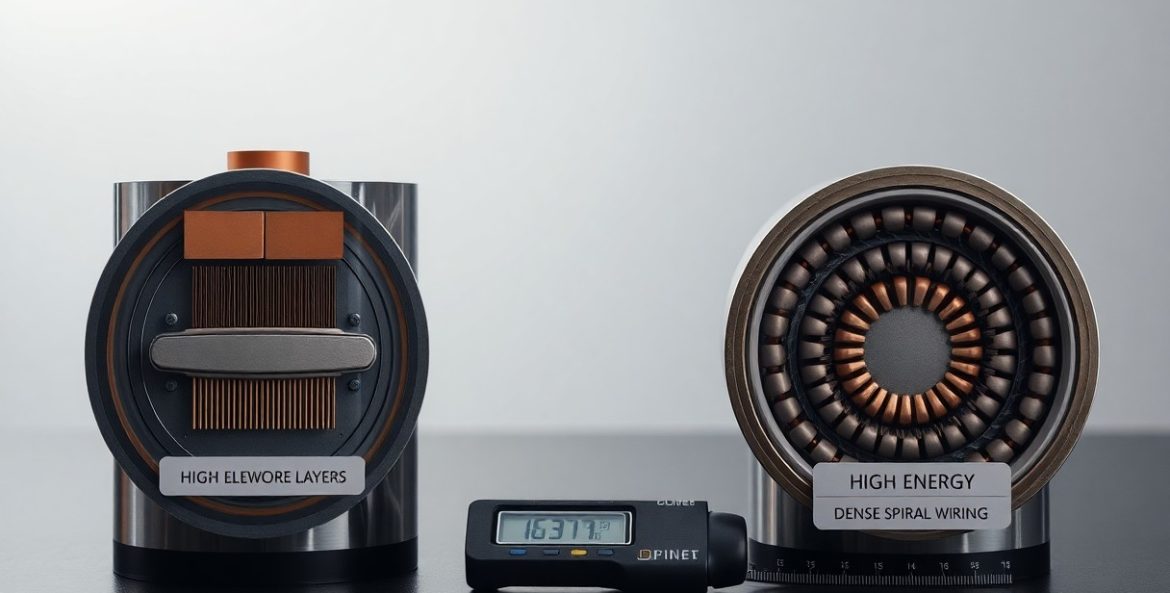
You must understand how cell chemistry and internal resistance determine if a cell favors fast discharge (high power) or longer run-time (high energy), so you can size your pack and manage charging and cooling while avoiding the increased thermal runaway risk that comes from misuse or mismatched duty cycles. Types of Battery Cells When you choose between cell formats and chemistries, you balance power

There’s a need to balance high energy density to extend range with robust design to prevent thermal runaway; you must optimize cell chemistry, packaging, thermal management and battery management systems to protect passengers and cargo. You should consider weight, cycle life, fast-charging capability, and regulatory compliance while designing for manufacturability and maintainability to ensure your vehicle meets performance, safety, and lifecycle cost targets. Types

This guide helps you assess and manage energy storage in marine environments, focusing on corrosion, biofouling, and fire/thermal runaway risks that can rapidly degrade systems and threaten safety, while addressing limited maintenance access and harsh weather operational constraints; it highlights advances in ruggedized battery chemistries and flow/solid‑state systems that improve reliability and enable renewable integration, and guides you on inspection, sealing, and safety protocols
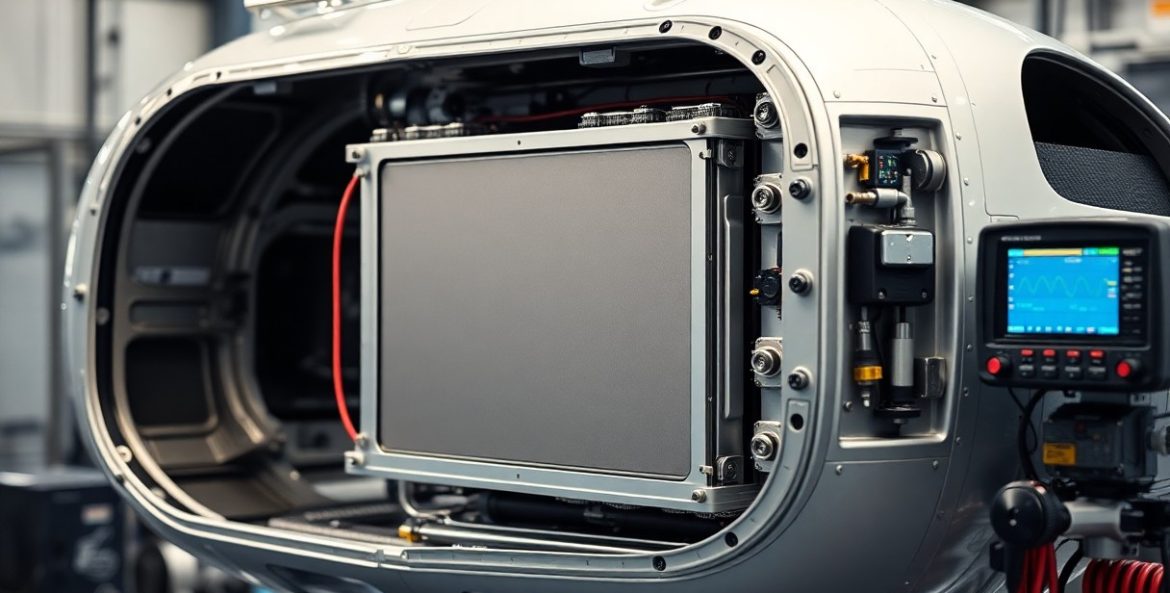
Just as you design avionics and propulsion, you must balance high energy density and weight savings with rigorous safety and certification requirements; your thermal management, cell selection, and monitoring architecture must prevent thermal runaway and fire risk while meeting extreme environmental, vibration, and performance profiles so your battery delivers reliable, compliant power throughout the mission. Types of Lithium Battery Systems When you compare chemistries
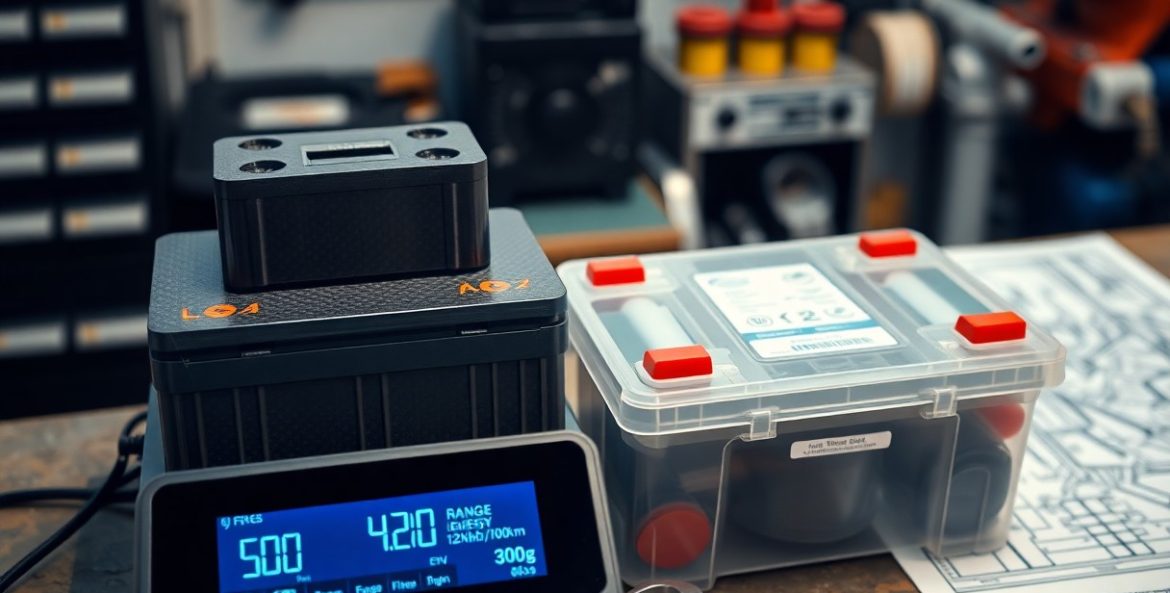
Many systems benefit when you reduce battery mass: by cutting weight you achieve longer operating range, lower energy consumption, and reduced mechanical strain, which together improve performance and lower lifecycle costs. You must also assess the increased safety risk if light-weighting compromises structural integrity or thermal management. Applying precise materials selection and design trade-offs ensures your system gains efficiency and reliability without introducing new

There’s no substitute for rigorous design when you engineer battery modules for longevity: you must prioritize robust thermal management, accurate cell balancing, and high-quality materials; mitigate thermal runaway and overcharge risks with redundant safety systems and conservative state-of-charge limits, implement predictive maintenance through data-driven monitoring, and design for serviceability so your modules remain safe and performant over years of cycling. Types of Battery Modules

Many battery issues stem from temperature extremes, so you must manage heat to prevent thermal runaway and overheating. Implement active cooling, passive conduction paths, and precise sensors to maintain optimal ranges, balance cells, and enable fast fault detection. These measures reduce risk and deliver extended cycle life and improved performance for your packs. Types of Thermal Management Strategies Passive conduction / air cooling Cell