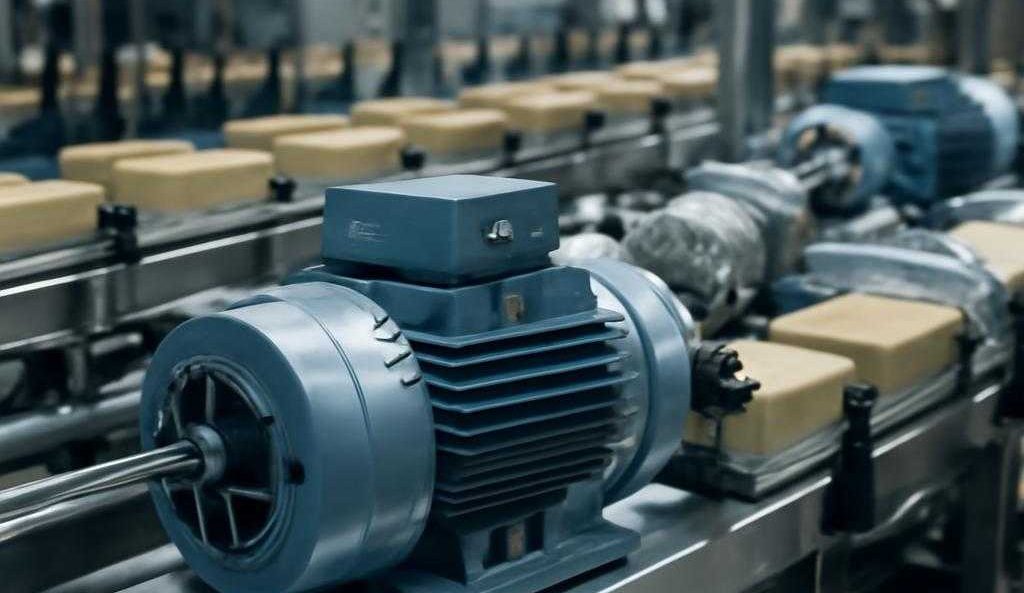
I’ve spent years working with industrial drives, and I can tell you that choosing the right electric motors can transform a noisy, inefficient line into a quiet, energy-saving workhorse. I prefer equipment that’s well-documented and serviceable, because small design choices—bearing type, insulation class, cooling—often determine long-term reliability.
Practical considerations before you buy
You should begin by mapping real operating conditions and not guessing at peak loads. Think about:
– ambient environment (dust, moisture, temperature);
– duty cycle (continuous, intermittent, cyclic);
– serviceability (can your crew access bearings, seals and terminals easily?).
If you want hands-on options or vendor support for commissioning, check a reliable supplier and consider discussing specifics of the electric motor you plan to install. Be optimistic about improvements, but beware of under-specifying components to save on upfront cost.
They often recommend a stepwise approach: test, measure, adapt. Neutral advice from many professionals includes these three checks:
1. Validate electrical compatibility with existing drives and control systems.
2. Compare total cost of ownership, not just the purchase price.
3. Ensure a maintenance schedule is in place before the system goes live.
For detailed specs, documentation, and contact information, visit https://vyboelectric.com/ where you can find resources to plan an informed upgrade.