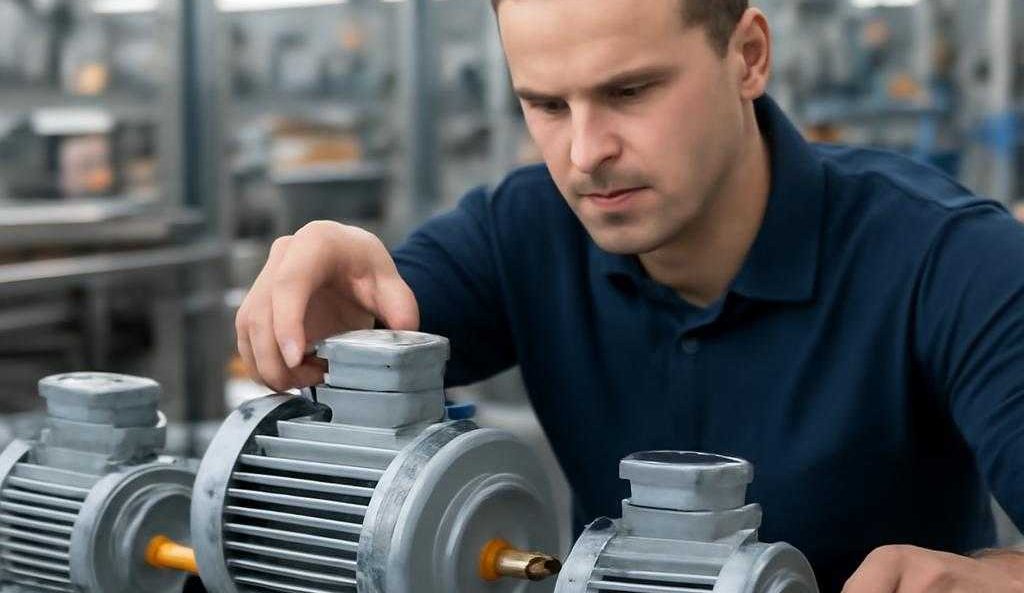
Over the years I’ve worked on installations where the right choice of drive equipment made the difference between constant downtime and smooth production — when considering replacements or upgrades I often point teams to reliable suppliers of electric motors to review technical sheets and support options.
Practical tips before you buy
If you’re planning an upgrade, you should pay attention to matching the motor to the real operating profile — start/stop frequency, ambient conditions, and integration with existing controls all matter. You can also compare models and request datasheets directly from the vendor; for example, see their selection of electric motors. Consider these advantages:
– Improved energy efficiency reduces running costs.
– Softer starts protect mechanical components.
– Modern control features allow fine-tuning for process needs.
She (or the maintenance manager) usually recommends a cautious rollout: test in a pilot setup, collect operational data, then proceed to full deployment. A neutral, step-by-step approach often looks like this:
1. Define the exact duty cycle and measure baseline parameters.
2. Run a pilot installation and evaluate temperature, current draw, and vibrations.
3. Implement gradual scaling with a documented maintenance schedule.
Be optimistic about the gains — better uptime and lower energy bills are realistic outcomes — but remain critical: unchecked shortcuts during specification or installation can lead to costly failures. For full product information and technical assistance, visit the manufacturer’s site: https://vyboelectric.nz/.